

Published on 28 Sep 2025
Daxxify vs. Botox: Which Is Right for You?
Fact checked
In the world of aesthetic medicine, injectable treatments have become one of the most popular ways to achieve smoother, younger-looking skin without surgery. Among the many options available, Botox has long been considered the gold standard for reducing wrinkles. However, a newer competitor Daxxify is making waves as an innovative alternative with longer-lasting results.
If you’re wondering which treatment might be best for you, this guide will break down everything you need to know about Daxxify vs. Botox, including how they work, their key differences, benefits, side effects, and which option may suit your needs.
What Is Botox?
Botox (onabotulinumtoxinA) is the most widely used injectable neurotoxin. It works by temporarily relaxing the muscles that cause expression lines, such as frown lines, forehead wrinkles, and crow’s feet. By preventing repeated muscle contractions, Botox smooths out the overlying skin, giving a more youthful and refreshed appearance.
- FDA approval: First approved in 2002 for cosmetic use.
- Duration of results: Typically lasts 3–4 months.
- Common treatment areas: Forehead lines, glabellar (frown) lines, crow’s feet, bunny lines, chin dimpling, and jawline slimming.
Also Read: Tips to Make Botox Last Longer
What Is Daxxify?
Daxxify (daxxibotulinumtoxinA-lanm) is the first and only FDA-approved, long-lasting neuromodulator designed specifically for the treatment of frown lines (glabellar lines). Like Botox, it works by blocking the communication between nerves and muscles, temporarily reducing muscle activity.
Official Website: www.daxxify.com
What makes Daxxify unique is its peptide-enhanced formulation, which allows it to last significantly longer than Botox.
- FDA approval: Approved in 2022 for frown lines.
- Duration of results: Lasts 6–9 months on average.
- Common treatment areas (off-label): Forehead lines, crow’s feet, and other expression lines—similar to Botox.
Key Differences Between Daxxify and Botox
While both Botox and Daxxify belong to the same family of injectable neuromodulators, they are not identical. Each product has its own unique formulation, approval history, and duration of effect. Understanding these distinctions is crucial for patients who want to choose the option that best aligns with their goals, lifestyle, and budget. Botox has been trusted for over two decades, while Daxxify brings innovation with a longer-lasting peptide-enhanced formula.
The table below provides a clear, side-by-side comparison of the most important differences between the two treatments, including their FDA approval dates, how long results last, and how often sessions are typically required. This breakdown will help you see at a glance where the two products overlap and where they stand apart.
|
Feature |
Botox |
Daxxify |
|---|---|---|
|
FDA Approval Year |
2002 |
2022 |
|
Formulation |
Standard botulinum toxin type A |
Peptide-stabilized botulinum toxin type A |
|
Duration of Effect |
3–4 months |
6–9 months |
|
Number of Treatments Needed Per Year |
3–4 sessions |
1–2 sessions |
|
Areas Treated |
Wide range of cosmetic & medical uses |
Currently FDA-approved only for frown lines (cosmetic); more uses likely to expand |
|
Track Record |
Decades of safety and efficacy data |
Newer, but promising clinical studies |
Daxxify vs Botox Side Effects
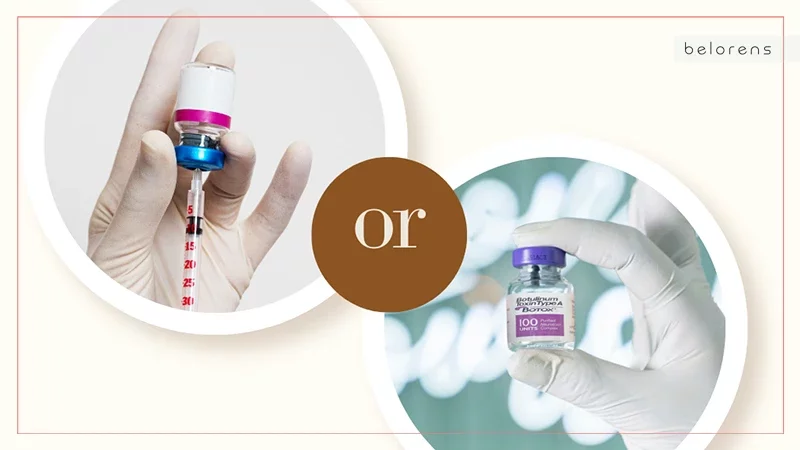
When comparing Daxxify and Botox, it’s important to note that both are derived from botulinum toxin type A and share very similar safety profiles. Most side effects are mild, temporary, and localized to the injection area. However, understanding what to expect can help you feel more confident before treatment.
Common Side Effects of Botox
- Redness, swelling, or bruising at the injection site
- Temporary headache or mild discomfort
- Drooping of the eyelid or eyebrow (rare and usually short-lived)
- A feeling of heaviness or tightness in the treated area
- Dry eyes or excessive tearing (when injected near the eyes)
Common Side Effects of Daxxify
Daxxify’s side effect profile is nearly identical to Botox. In clinical studies, patients reported:
- Mild redness or swelling where the injections were administered
- Temporary headache
- Eyelid drooping (ptosis), occurring in a small percentage of cases
- Sensations of tightness in the forehead or brow area
Key Differences in Safety Profiles
The main distinction between the two treatments lies not in the type of side effects, but in their duration of results. Since Daxxify lasts longer (6–9 months compared to Botox’s 3-4 months), any unwanted effects though uncommon, may also persist longer. For this reason, it’s especially important to have Daxxify administered by a highly experienced injector who understands facial anatomy thoroughly.
Both treatments are considered safe when performed by qualified medical professionals. Most patients experience little to no downtime, and side effects generally resolve within a few days. If you experience persistent discomfort or unusual symptoms, you should always contact your provider promptly.
Also Read:
When to Get Botox and Dermal Fillers
Daxxify vs. Botox Price
When deciding between Daxxify and Botox, cost is often one of the biggest considerations. While both treatments are priced differently depending on location, provider expertise, and the number of units required, there are general trends that can help you understand what to expect.
Botox Cost
Botox is usually priced per unit or per treatment area. The average cost ranges between $10–$20 per unit, and most cosmetic areas require anywhere from 20-40 units depending on muscle strength and the area being treated. This means a typical Botox session may cost between $300–$600. Since results last about 3-4 months, most patients return for 3-4 sessions per year, which increases the annual cost.
Daxxify Cost
Daxxify, being the newer and longer-lasting treatment, generally has a higher upfront cost per session. While exact pricing can vary, most clinics charge more than they do for a single Botox session. However, because results last 6-9 months, patients usually only need 1-2 treatments per year. Over time, this can make Daxxify potentially more cost-effective, despite the higher per-treatment price.
Cost Comparison at a Glance
- Botox: Lower upfront price, but requires more frequent sessions.
- Daxxify: Higher upfront price, but fewer yearly visits may balance the cost.
Ultimately, the total investment depends on your personal goals, how many areas you wish to treat, and how your body responds to the injections. Consulting with your provider will give you the most accurate estimate tailored to your needs.
Daxxify Units vs. Botox Units
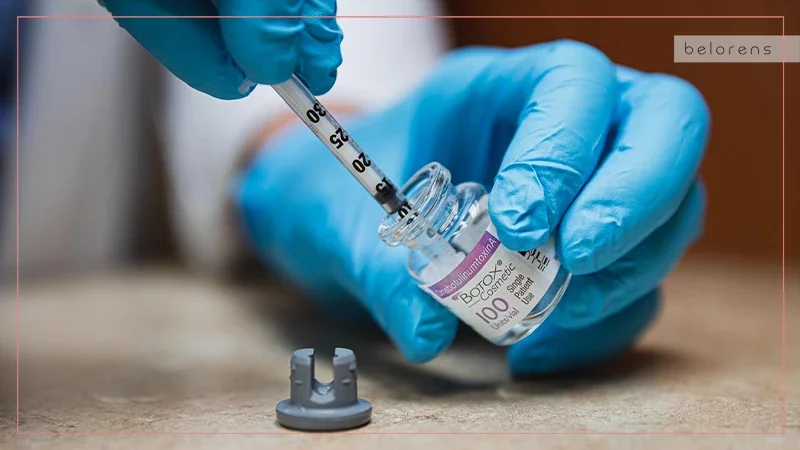
One of the most important things to understand when comparing Daxxify and Botox is that their dosing units are not interchangeable. Each product has its own unique formulation, potency, and unit measurement system, meaning that one “unit” of Botox is not the same as one “unit” of Daxxify.
Botox Units
Botox is typically measured in units, with most cosmetic treatments requiring between 20–40 units depending on the area and the strength of the patient’s facial muscles. For example:
- Frown lines (glabellar lines): ~20 units
- Forehead lines: ~10–20 units
- Crow’s feet: ~12–24 units (6–12 per side)
These units are well standardized and have been used consistently for decades, making Botox dosing familiar to most providers worldwide.
Daxxify Units
Daxxify is also dosed in units, but due to its unique peptide-stabilized formulation, the unit measurement is different from Botox. For example, FDA clinical trials for frown lines typically used 40 units of Daxxify. This does not mean it is stronger or weaker than Botox, it simply means the two products cannot be compared on a “unit-to-unit” basis. Only a trained injector who is familiar with both products can determine the correct dosing for each individual patient.
Key Takeaway
- Botox and Daxxify units are not interchangeable.
- Both products are effective when used at the recommended doses.
- The right number of units depends on the treatment area, your facial anatomy, and your provider’s expertise.
Always rely on a qualified, experienced injector who understands the correct conversion and dosing guidelines to achieve safe, natural-looking results.
Which Is Right for You?
Choosing between Daxxify and Botox depends on several factors:
- Budget & Treatment Frequency: If you prefer fewer office visits and longer-lasting results, Daxxify may be ideal. If you want a lower upfront cost and flexibility, Botox is a proven choice.
- Treatment Goals: Both effectively smooth wrinkles, but Botox currently has more approved uses beyond cosmetic applications.
- Track Record vs. Innovation: Botox has decades of data, while Daxxify offers cutting-edge longevity.
The best way to decide is by consulting with a board-certified cosmetic specialist who can evaluate your skin, facial anatomy, and personal goals.
Daxxify vs. Dysport
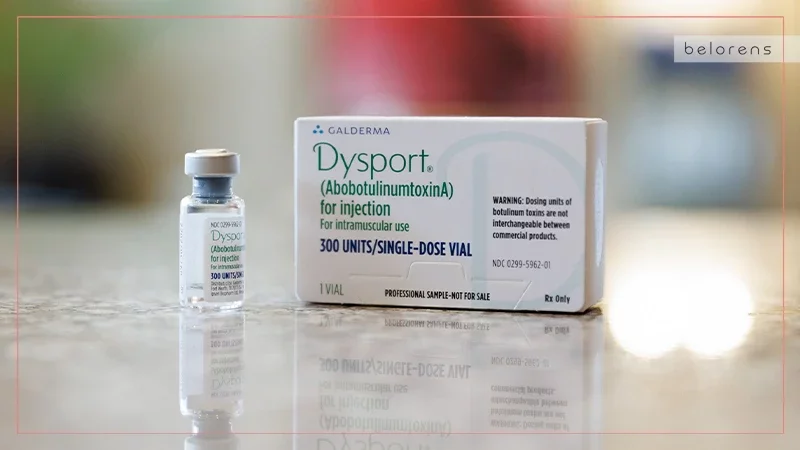
While both Daxxify and Dysport belong to the same family of botulinum toxin type A injectables, they differ in formulation, onset of action, and duration of results. Understanding these differences can help patients and providers determine which treatment may be the better fit for specific goals.
What Is Dysport?
Dysport (abobotulinumtoxinA) is an FDA-approved neuromodulator primarily used to treat moderate to severe frown lines between the eyebrows. Like Botox and Daxxify, it works by relaxing targeted muscles to reduce the appearance of wrinkles. Dysport is well known for its fast onset—results often appear within 2–3 days, compared to 5–7 days with Botox. Its results typically last around 3–4 months.
How Daxxify Differs
Daxxify (daxxibotulinumtoxinA-lanm) stands out for its peptide-enhanced formulation, which extends the duration of results to 6–9 months. While it has a slightly slower onset compared to Dysport, its long-lasting effect means patients need fewer touch-up appointments each year.
Key Considerations
- Onset: Dysport may show results faster, while Daxxify takes a few extra days.
- Duration: Daxxify lasts significantly longer (up to 9 months), while Dysport requires more frequent maintenance.
- Dilution & Spread: Dysport tends to spread more easily in larger treatment areas (like the forehead), which can be beneficial but also requires a skilled injector for precision.
- Cost & Frequency: Dysport has a lower upfront cost per session, but Daxxify may be more cost-efficient over time due to fewer treatments.
Also Read:
Compare Botox, Dysport, and Xeomin
In short, Dysport is a great option for patients seeking quick results, while Daxxify is ideal for those prioritizing longer-lasting wrinkle reduction and fewer clinic visits.
Frequently Asked Questions (FAQ)
Botox usually shows results within 3–7 days, while Daxxify results may take 3–4 days to become noticeable. Full results for both typically appear within 1–2 weeks.
Most patients report a very similar experience. Both reduce dynamic wrinkles, though some patients describe Daxxify as providing a “lighter” or more natural feeling because of its longer-lasting effect.
Yes, but not in the same treatment area at the same time. A skilled injector may use them strategically in different areas depending on the patient’s goals.
Neither treatment is reversible once injected. However, results are temporary. Botox wears off in 3–4 months, while Daxxify can take 6–9 months.
Patients who want longer-lasting results and fewer office visits may prefer Daxxify. Those who want to “test out” neuromodulators or prefer flexibility may choose Botox.
Yes, Daxxify has been shown to be safe in clinical studies, but many providers still recommend starting with Botox for first-time patients due to its shorter duration.
Yes, though Botox has more FDA-approved uses, including medical applications. Daxxify is currently FDA-approved for frown lines but is expected to expand into other areas over time.
Both treatments relax specific muscles but should not “freeze” your face when administered correctly. The goal is natural, refreshed results, not a stiff appearance.
No, aftercare is very similar: avoid rubbing the injection site, strenuous exercise, or lying down for several hours post-treatment.
Daxxify typically lasts 6–9 months, while Botox lasts 3–4 months. Longevity may vary based on metabolism, muscle strength, and treatment area.


